Wildlife Filmmaking: Capturing Africa's Majestic Creatures
Wildlife filmmaking is more than just a profession; it is a passion that allows filmmakers to showcase the beauty and diversity of nature. Africa, with its vast landscapes and rich biodiversity, offers a unique canvas for capturing the majestic creatures that roam its plains, forests, and waters. This blog post will explore the intricacies of wildlife filmmaking in Africa, providing insights into techniques, challenges, and the profound impact of this art form.
The Allure of Africa's Wildlife
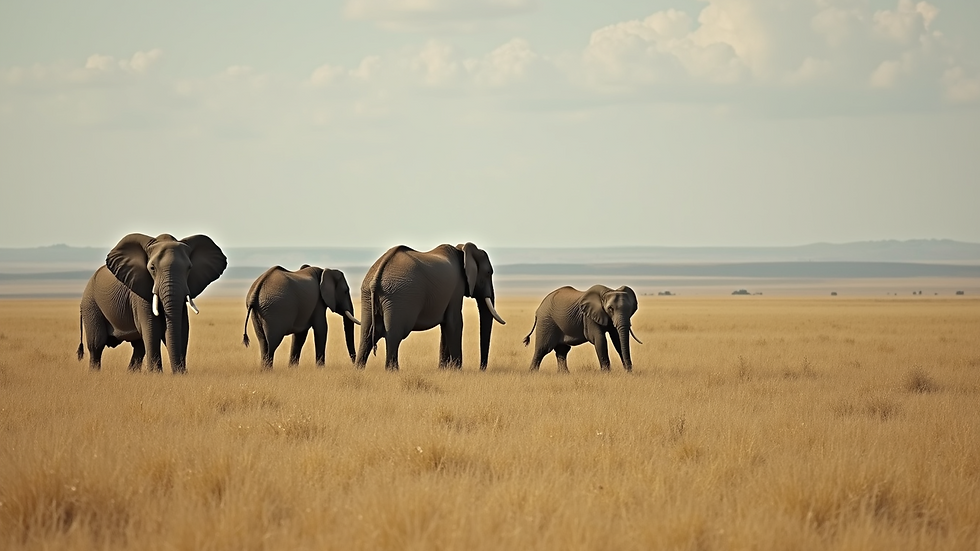
Africa is home to some of the most iconic wildlife species in the world. From the majestic African elephant to the elusive leopard, the continent boasts a rich tapestry of life that filmmakers strive to capture. The allure of Africa's wildlife lies not only in its diversity but also in the dramatic landscapes that serve as backdrops for these creatures.
Iconic Species to Film
African Elephant
The largest land animal on Earth, African elephants are known for their intelligence and complex social structures. Filming these gentle giants requires patience and an understanding of their behavior.
Lion
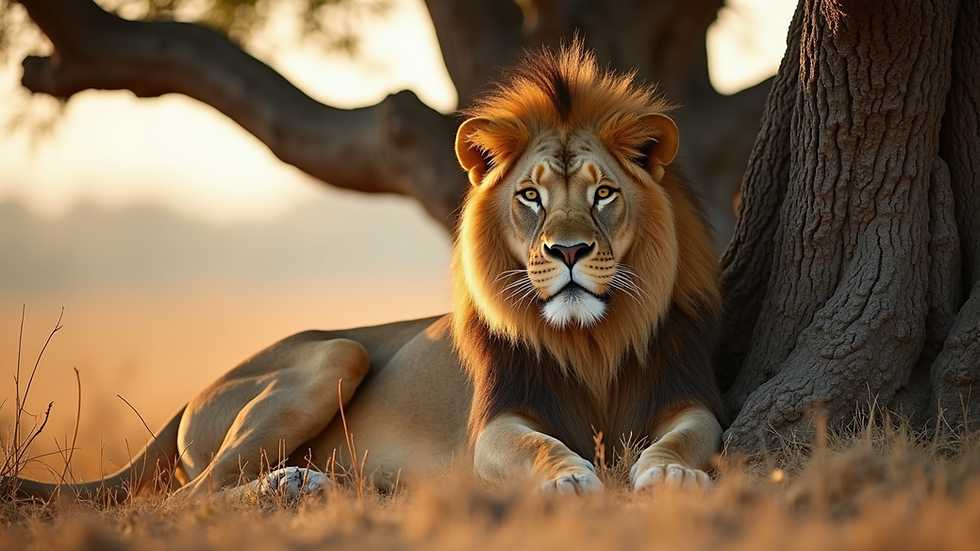
Often referred to as the "king of the jungle," lions are a symbol of strength and majesty. Capturing their pride dynamics and hunting strategies can be both thrilling and challenging.
Giraffe
With their long necks and unique patterns, giraffes are a favorite among filmmakers. Their graceful movements and interactions with the environment provide stunning visual opportunities.
Cheetah
Known for their incredible speed, cheetahs are a thrilling subject for wildlife filmmakers. Documenting their hunting techniques requires careful planning and timing.
Rhino
The endangered rhinoceros is a poignant subject for filmmakers, highlighting the urgent need for conservation efforts. Capturing their beauty can raise awareness about the threats they face.
Essential Equipment for Wildlife Filmmaking
To effectively capture the essence of Africa's wildlife, filmmakers need the right equipment. Here are some essential tools:
Camera
A high-quality camera with excellent low-light performance is crucial for capturing wildlife in various lighting conditions. DSLRs and mirrorless cameras are popular choices.
Lenses
Telephoto lenses are essential for getting close-up shots of animals without disturbing them. A lens with a focal length of 300mm or more is ideal for wildlife photography.
Tripod or Gimbal
Stability is key when filming wildlife. A sturdy tripod or a gimbal stabilizer helps to reduce camera shake, especially when using long lenses.
Field Monitors
A field monitor allows filmmakers to see their shots clearly in bright sunlight, ensuring they capture the best footage possible.
Drones
Drones offer a unique perspective on wildlife and landscapes. They can capture breathtaking aerial shots that enhance storytelling.
Techniques for Capturing Stunning Footage
Wildlife filmmaking requires a blend of technical skills and artistic vision. Here are some techniques to consider:
Patience and Observation
Wildlife is unpredictable, and capturing the perfect moment often requires hours of waiting. Observing animal behavior can lead to more authentic and compelling footage. Filmmakers should:
Spend time in the field to understand animal habits.
Remain quiet and still to avoid startling wildlife.
Use blinds or natural cover to get closer without being detected.
Storytelling Through Cinematography
Every wildlife film tells a story. Filmmakers should focus on:
Establishing Shots
Begin with wide shots that set the scene and provide context for the wildlife being filmed.
Close-ups
Use close-up shots to capture the emotions and expressions of animals, creating a connection with the audience.
Action Sequences
Documenting hunting, mating, or social interactions can create dramatic tension and engage viewers.
Sound Design
Sound is a crucial element in wildlife filmmaking. Natural sounds enhance the viewing experience and immerse the audience in the environment. Filmmakers should:
Use high-quality microphones to capture ambient sounds.
Record animal calls and interactions to add depth to the narrative.
Consider the use of music to complement the visuals without overpowering them.
Challenges in Wildlife Filmmaking
While wildlife filmmaking is rewarding, it comes with its own set of challenges. Understanding these can help filmmakers prepare better.
Unpredictable Weather
Africa's weather can be unpredictable, affecting filming conditions. Filmmakers should:
Be prepared for sudden changes in weather.
Use weather-resistant equipment to protect gear.
Plan shoots around the best seasons for wildlife activity.
Ethical Considerations
Filmmakers must prioritize the well-being of wildlife. This includes:
Avoiding interference with animal behavior.
Following local regulations and guidelines for wildlife filming.
Supporting conservation efforts through their work.
Accessibility and Terrain
Many wildlife hotspots are located in remote areas, making access challenging. Filmmakers should:
Plan logistics carefully, considering transportation and accommodation.
Be prepared for rugged terrain and varying conditions.
Consider hiring local guides who know the area and its wildlife.
The Impact of Wildlife Filmmaking
Wildlife filmmaking plays a vital role in conservation and education. By showcasing the beauty of Africa's wildlife, filmmakers can inspire audiences to take action. Here are some ways wildlife films make an impact:
Raising Awareness
Documentaries can highlight the threats facing wildlife, such as habitat loss and poaching. By bringing these issues to light, filmmakers can encourage viewers to support conservation efforts.
Inspiring Action
Films can motivate individuals and organizations to get involved in wildlife protection. Whether through donations, volunteering, or advocacy, the impact of a well-crafted wildlife film can be profound.
Educating the Public
Wildlife films serve as educational tools, teaching viewers about animal behavior, ecosystems, and the importance of biodiversity. This knowledge can foster a deeper appreciation for nature.
Conclusion
Wildlife filmmaking in Africa is a captivating journey that combines artistry, technical skill, and a deep respect for nature. By capturing the majestic creatures of the continent, filmmakers not only create stunning visual narratives but also contribute to the vital conversation around conservation. As you embark on your own wildlife filmmaking adventure, remember to embrace the challenges, celebrate the beauty, and share your passion with the world. Whether you are a seasoned filmmaker or just starting, the call of Africa's wild is waiting for you to answer.

Comments