Explore Botswana's Big Cats with Greg Hartman
Botswana is a land of breathtaking landscapes and diverse wildlife, but it is perhaps best known for its majestic big cats. From the powerful lions to the elusive leopards, these creatures embody the wild spirit of Africa. In this blog post, we will take you on an exciting journey through Botswana's wilderness, guided by the expertise of wildlife photographer and conservationist Greg Hartman. Join us as we explore the habitats, behaviors, and conservation efforts surrounding these magnificent animals.
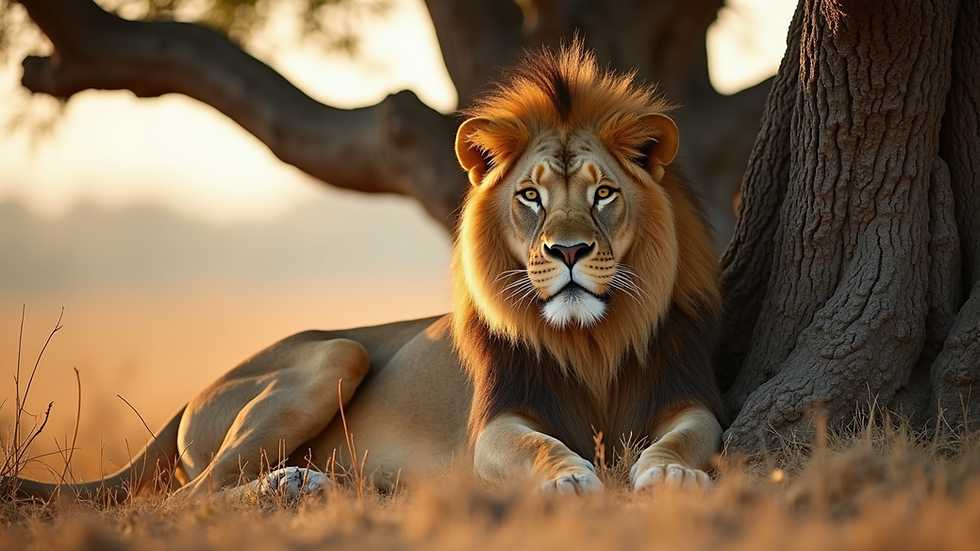
The Big Cats of Botswana
Botswana is home to several species of big cats, each with its unique characteristics and behaviors. The most notable among them are:
Lions
Lions are often referred to as the "kings of the jungle," and for a good reason. In Botswana, they thrive in various habitats, from the savannas of the Okavango Delta to the arid landscapes of the Kalahari Desert.
Social Structure: Lions are social animals that live in prides, typically consisting of several females, their cubs, and a few males. This social structure allows them to hunt more effectively and protect their territory.
Hunting Techniques: Lions are known for their cooperative hunting strategies. They often work together to take down large prey such as wildebeest and zebras.
Leopards
Leopards are solitary and elusive, making them one of the most challenging big cats to spot in the wild. Their adaptability allows them to thrive in various environments, from dense forests to open savannas.
Camouflage: Their distinctive spotted coats provide excellent camouflage, helping them blend into their surroundings while stalking prey.
Diet: Leopards are opportunistic feeders, preying on animals ranging from small antelopes to birds and rodents.
Cheetahs
Cheetahs are the fastest land animals, capable of reaching speeds up to 70 miles per hour in short bursts. They are built for speed, with long legs and a lightweight body.
Hunting Style: Unlike lions, cheetahs rely on their speed and agility to catch prey. They typically hunt alone or in small family groups.
Vocalizations: Cheetahs are known for their unique vocalizations, including a distinctive "chirp" used to communicate with their cubs.
The Importance of Conservation
As we explore the beauty of Botswana's big cats, it is essential to recognize the threats they face. Habitat loss, poaching, and human-wildlife conflict are significant challenges that these animals encounter.
Habitat Loss
The expansion of agriculture and urban development has led to the fragmentation of habitats, making it difficult for big cats to find food and mates. Conservation efforts focus on protecting and restoring these habitats to ensure the survival of these species.
Poaching
Poaching remains a significant threat to big cats, driven by the demand for their skins and body parts. Organizations like the Botswana Predator Conservation Program work tirelessly to combat poaching and raise awareness about the importance of protecting these animals.
Human-Wildlife Conflict
As human populations grow, encounters between people and wildlife become more common. Educating communities about coexistence strategies is crucial for reducing conflict and ensuring the safety of both humans and big cats.
Greg Hartman's Role in Conservation
Greg Hartman is not just a wildlife photographer; he is a passionate advocate for conservation. His work focuses on raising awareness about the challenges faced by big cats and the importance of preserving their habitats.
Photography as a Tool for Conservation
Through his stunning photography, Greg captures the beauty and majesty of Botswana's big cats. His images tell powerful stories that resonate with audiences worldwide, inspiring them to take action for wildlife conservation.
Educational Outreach: Greg collaborates with schools and communities to educate people about the importance of protecting big cats and their habitats.
Fundraising Initiatives: He organizes photography exhibitions and workshops, with proceeds going towards conservation projects in Botswana.
Best Places to Spot Big Cats in Botswana
If you're planning a trip to Botswana and want to see these incredible big cats in their natural habitat, here are some of the best locations to consider:
Okavango Delta
The Okavango Delta is a UNESCO World Heritage site and one of the most biodiverse regions in Africa. It offers excellent opportunities to see lions, leopards, and cheetahs.
Safari Options: Visitors can choose from various safari options, including guided game drives, walking safaris, and mokoro (traditional canoe) trips.
Chobe National Park
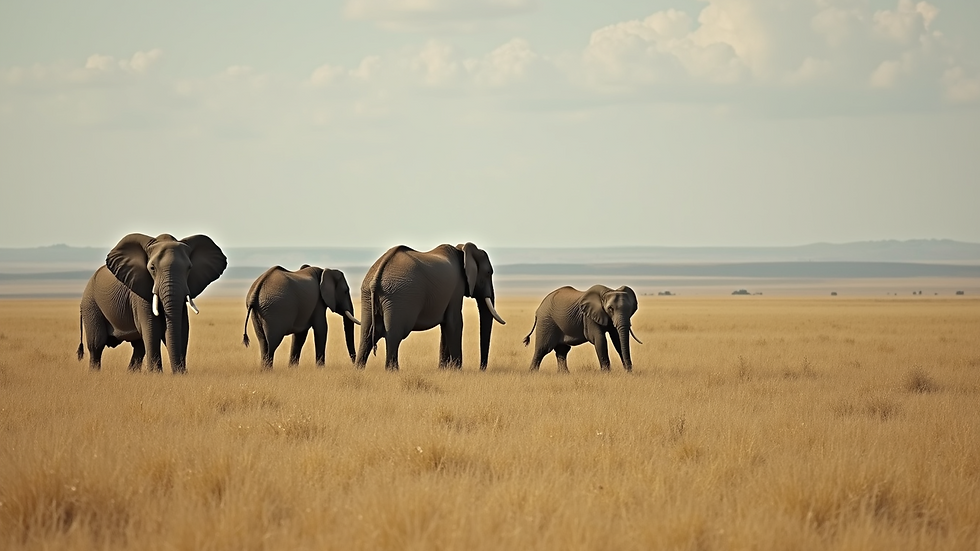
Chobe National Park is famous for its large elephant population, but it is also home to a healthy population of big cats. The park's diverse ecosystems provide ample hunting grounds for lions and leopards.
River Safaris: A river safari along the Chobe River offers a unique perspective on wildlife, allowing you to spot big cats as they come to drink.
Moremi Game Reserve
Moremi Game Reserve is known for its stunning landscapes and rich wildlife. It is an excellent place to see lions and leopards, especially during the dry season when animals gather around water sources.
Camping Options: For a more immersive experience, consider camping in the reserve, where you can hear the sounds of the wild at night.
Tips for Responsible Wildlife Viewing
When observing big cats in the wild, it's essential to do so responsibly to minimize your impact on their natural behaviors and habitats. Here are some tips to keep in mind:
Keep a Safe Distance: Always maintain a safe distance from wildlife. Use binoculars or a camera with a zoom lens to observe them without disturbing their natural behavior.
Follow Guidelines: Adhere to the guidelines set by your safari guides and park authorities. They are trained to ensure both your safety and the well-being of the animals.
Leave No Trace: Be mindful of your environmental impact. Avoid littering and stick to designated paths to protect the delicate ecosystems.
The Future of Botswana's Big Cats
The future of Botswana's big cats depends on continued conservation efforts and community involvement. By supporting organizations dedicated to wildlife protection and promoting sustainable tourism, we can help ensure that these magnificent animals thrive for generations to come.
Get Involved
If you're passionate about wildlife conservation, there are several ways you can get involved:
Volunteer: Many organizations offer volunteer opportunities in wildlife conservation, allowing you to contribute directly to protecting big cats and their habitats.
Donate: Consider donating to conservation organizations that focus on big cat protection and habitat restoration.
Spread Awareness: Share your knowledge and experiences with others to raise awareness about the importance of protecting big cats.
Final Thoughts
Botswana's big cats are a testament to the beauty and resilience of nature. By exploring their habitats and understanding the challenges they face, we can all play a role in their conservation. Whether you're an avid wildlife enthusiast or simply looking to experience the wonders of Africa, a journey through Botswana's wilderness will leave you with unforgettable memories and a deeper appreciation for these incredible creatures.
As you plan your adventure, remember the words of Greg Hartman: "Every photograph tells a story, and every story has the power to inspire change." Let your journey be one of discovery, respect, and commitment to preserving the wild heart of Botswana.
By immersing yourself in the world of Botswana's big cats, you not only witness their majesty but also become part of a larger movement to protect these incredible animals. So pack your bags, grab your camera, and get ready for an adventure that will change your perspective on wildlife forever.

Comments